Introduction
In the realm of commercial construction, the phrase “quality masonry” often surfaces as a pivotal theme. Whether it’s a towering office building, a sprawling shopping center, or an intricate façade, masonry plays a fundamental role in ensuring structural integrity and aesthetic appeal. A well-executed masonry project not only enhances the visual aspect of a structure but also contributes to its longevity, durability, and overall value. This article delves into the importance of quality masonry in commercial construction, exploring its various facets and implications.
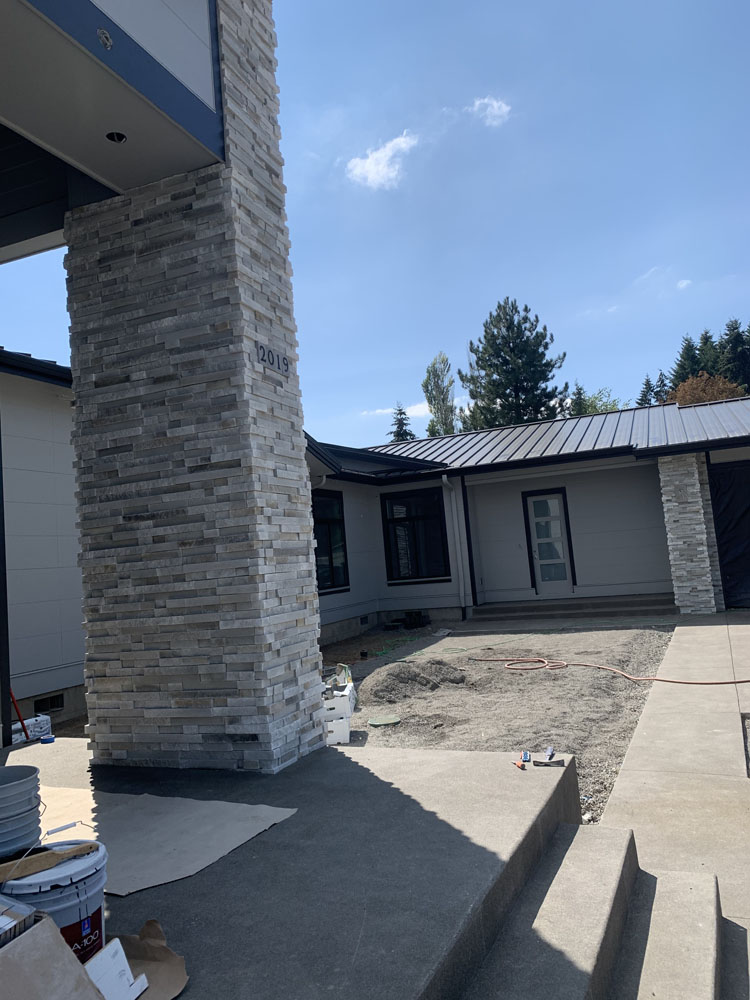
Understanding Masonry: Definition and Context
What is Masonry?
Masonry is the craft of building structures from individual units laid in mortar. These units can be made from brick, stone, concrete block, or other materials. The skill involved in masonry requires precision and artistry, making it a specialized field within the construction industry.
Types of Masonry Materials
Brick:- A classic choice for many constructions due to its durability and aesthetic appeal.
- Offers unmatched strength and is often used in high-end commercial projects.
- Commonly utilized for its cost-effectiveness and ease of installation.
- Integrates natural light into structures while maintaining privacy.
Choosing the Right Masonry Contractor
Selecting an experienced masonry contractor is critical to achieving quality results. Factors to consider include:
- Experience in Commercial Projects: Look for contractors who have completed similar projects. Licensing and Insurance: Ensure they are licensed and insured to operate legally. Portfolio of Previous Work: Reviewing their past projects can provide insight into their craftsmanship.
The Role of Quality Masonry in Structural Integrity
Why Quality Matters
Quality masonry ensures that buildings withstand environmental stresses such as wind, rain, and earthquakes. Poor workmanship can lead to catastrophic failures that jeopardize safety.
Load-Bearing Capacity
Masonry’s load-bearing capacity is essential for high-rise buildings where weight distribution becomes critical. A quality masonry job ensures that walls can sustain both vertical loads (like floors) and lateral loads (like wind).
Thermal Performance
Quality masonry offers excellent thermal mass properties, helping regulate indoor temperatures. This ultimately leads to energy savings for businesses occupying these spaces.
Aesthetic Appeal Through Quality Masonry
Enhancing Curb Appeal
An aesthetically pleasing facade attracts customers and tenants alike. Quality masonry work can transform an ordinary building into an eye-catching landmark.
Customization Options
From intricate designs to varied color palettes, quality masonry allows for extensive customization that reflects the brand identity of a business.
Economic Considerations Related to Quality Masonry
Long-Term Cost Savings
While the initial investment may be higher for quality materials and skilled labor, it often pays off through reduced maintenance costs over time.
Increased Property Value
Buildings constructed with quality masonry typically appreciate more than those built with lesser materials due to their durability and aesthetic qualities.
The Importance of Quality Control in Masonry
Implementing Standards
Establishing strict quality control measures throughout the construction process ensures that each phase meets industry standards.
Regular Inspections
Frequent inspections during construction help identify issues early on before they escalate into costly problems later.
Sustainability Considerations in Quality Masonry
Eco-Friendly Materials
More contractors are using sustainable materials like recycled bricks or locally-sourced stones to minimize environmental impact while maintaining quality.
Energy Efficiency
Quality masonry contributes significantly to energy-efficient buildings by reducing energy consumption through better insulation properties.
Innovations in Masonry Techniques
Advancements in Technology
Modern technology has introduced innovative techniques like 3D printing in masonry which promises enhanced precision and efficiency.
Prefabrication Techniques
Utilizing prefabricated components can speed up construction timelines while ensuring consistent quality across all units used in a project.
Challenges Faced by Masonry Contractors
Skilled Labor Shortage
One significant challenge facing the industry is finding skilled labor capable professional masonry in Stafford of executing high-quality work consistently.
Weather-Related Delays
Weather conditions can adversely affect masonry work; thus planning around seasonal changes is crucial for timely project completion.
Case Studies Highlighting Quality Masonry's Impact
Successful Commercial Projects Utilizing Quality Masonry
Several case studies illustrate how quality masonry has transformed commercial areas:
Case Study 1: Urban Retail Center
- Location: Downtown City Center Outcome: Enhanced foot traffic due to attractive design facilitated by expert mason work.
Case Study 2: Corporate Headquarters
- Location: Tech Park Outcome: High energy efficiency ratings due to superior thermal properties resulting from meticulous masonry practices.
FAQs about Quality Masonry in Commercial Construction
What defines quality masonry?- Quality masonry involves precision craftsmanship using durable materials, strict adherence to building codes, and thorough planning throughout each phase of construction.
- Look for experience specifically with commercial projects, check references, review their portfolio, ensure they have proper licensing/insurance.
- Higher upfront costs often result in long-term savings through reduced maintenance needs and increased property appreciation.
- Yes, but repairing poor-quality work usually comes at a higher cost than investing properly from the start.
- Cracks forming soon after completion, moisture issues inside buildings, or visible misalignment within brickwork are all indicators.
- Absolutely! Sustainable materials maintain structural integrity while minimizing environmental impact when chosen correctly.
Conclusion
The importance of quality masonry in commercial construction cannot be overstated—it affects everything from structural integrity and aesthetic appeal to economic viability and sustainability practices. When engaging with a skilled masonry contractor, businesses not only invest in robust structures but also enhance their brand image through superior craftsmanship that stands the test of time. Ultimately, choosing quality over quantity—especially when it comes to something as foundational as masonry—will always yield dividends down the road.