Introduction: Building the Foundation for Success
When it comes to construction and renovation, masonry is a critical element that often goes overlooked. Whether you're looking at the sturdy walls of your home or the aesthetic appeal of a brick façade, the quality of masonry work can make or break a project. In this article, we will explore the significance of hiring experienced contractors in the field of masonry—an area where expertise translates to durability, safety, and visual appeal.
What Is Masonry? Understanding the Basics
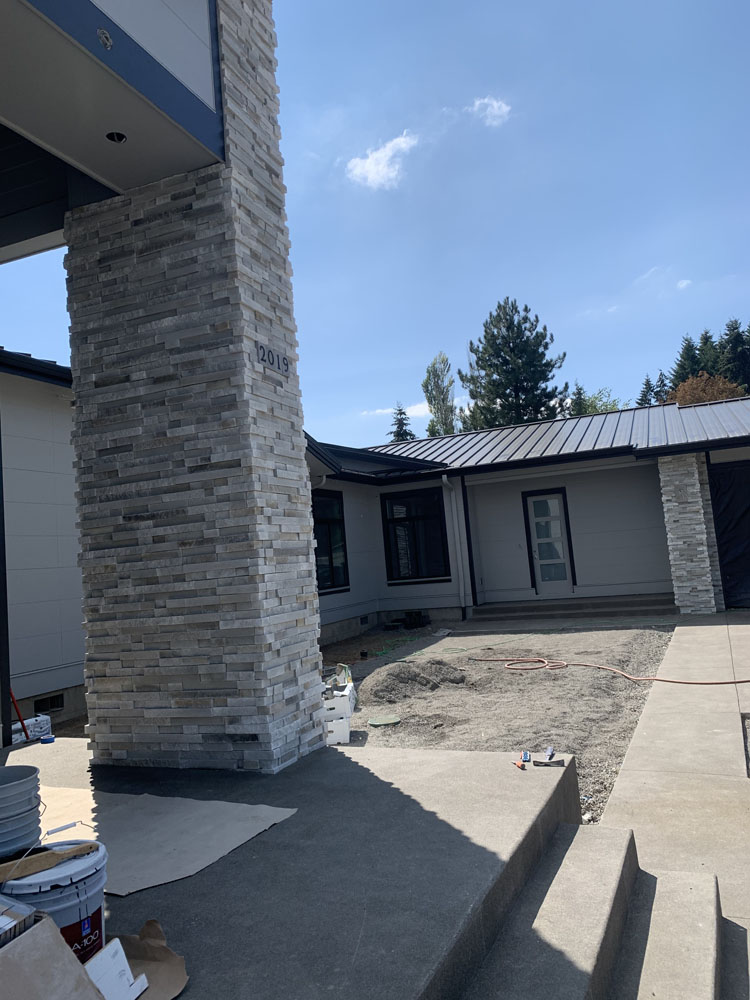
Masonry involves constructing structures from individual units laid in mortar. These units may include bricks, stones, concrete blocks, and more. The art of masonry has been around for centuries and has evolved into a specialized craft that requires knowledge and skill.
Why Choose an Experienced Masonry Contractor?
When you’re embarking on a construction project, hiring an experienced masonry contractor can be the difference between success and disaster. Here are some reasons why their expertise is invaluable:
Quality Workmanship: Skilled contractors understand how to work with different materials and know the best practices to ensure longevity. Knowledge of Building Codes: Experienced contractors are familiar with local building codes and regulations. Problem-Solving Skills: With years in the business, they can anticipate challenges and devise effective solutions on-the-fly. Access to Quality Materials: Established contractors have connections that allow them to source superior materials at competitive prices.The Craft of Masonry: A Deep Dive into Skills Required
Understanding Different Types of Masonry Work
Masonry is not just one-size-fits-all; it encompasses various types such as:
- Brick Masonry: Utilizes bricks for construction. Stone Masonry: Employs natural stones for durability. Concrete Block Masonry: Often used in commercial settings. Glass Block Masonry: Combines aesthetics with functionality.
Skills That Define an Expert Mason
To excel as a masonry contractor, several skills are crucial:
Attention to Detail: Precision is vital in ensuring structural integrity. Physical Strength & Stamina: The job often requires manual labor. Mathematical Skills: Calculating dimensions accurately is essential. Artistic Vision: Especially important for decorative stonework or bricklaying.Masonry Techniques That Stand the Test of Time
Traditional vs. Modern Techniques in Masonry
The world of masonry isn’t stagnant; it evolves over time:
- Traditional Techniques involve hand tools and methods passed down through generations. Modern Techniques, on the other hand, leverage technology like laser tools for precision.
Why Experience Matters in Technique Application
Experienced contractors know when to apply specific techniques based on project requirements, weather conditions, and material availability.
The Importance of Planning in Masonry Projects
How Proper Planning Can Save Time & Money
A well-planned masonry project helps avoid costly mistakes down the line:
- Create a detailed blueprint before beginning any work. Factor in potential delays due to weather or material shortages.
Roles Played by Experienced Contractors During Planning
An experienced contractor knows what contingencies to prepare for:
Assessing site conditions Understanding client needs Liaising with other contractors involvedSafety First! Why Hiring Experts Reduces Risk
The Dangers Associated with Amateur Masonry Work
Improperly executed masonry can lead to hazardous situations like structural failure or injury during construction.
How Experienced Contractors Ensure Safety Compliance
Experienced masonry contractors prioritize safety by adhering strictly to industry guidelines:
- Use protective gear Maintain a clean worksite Follow OSHA regulations
Cost Factors Associated with Hiring a Skilled Contractor
Breaking Down Costs Involved in Quality Masonry Work
When considering costs, it's essential to evaluate various factors:
| Cost Element | Description | |----------------------|--------------------------------------------------| | Labor | Wages paid to skilled workers | | Materials | Quality bricks, stones, etc., sourced | | Equipment Rental | Specialized tools needed for specific tasks | | Permits & Inspections | Local government fees related to construction |
Investing in Quality vs. Going Cheap
While it might be tempting to opt for lower-cost options, remember that quality workmanship pays off long-term through durability and less need for repairs.
Building Trust Through Experience
How Reputation Influences Your Choice
Choosing a reputable contractor can be daunting but essential:
How Long-Term Relationships Benefit Homeowners
Experienced contractors often establish lasting relationships with suppliers which benefits their clients through better prices and quality materials.
Architectural Styles Influenced by Masonry
Masonry’s Role in Historic Architecture
From ancient civilizations to modern buildings, masonry has shaped architectural styles:
Gothic cathedrals adorned with intricate stonework Roman aqueducts demonstrating engineering prowessModern Architectural Trends Using Masonry
Today’s architects often blend traditional techniques with contemporary designs:
Eco-friendly materials like reclaimed bricks Innovative layouts that maximize space while maintaining aesthetic appealThe Environmental Impact of Masonry
Sustainable Practices Among Experienced Contractors
With rising concerns about sustainability:
Recycled materials are becoming increasingly popular Energy-efficient buildings are encouraged through smart design choicesHow Choosing Local Materials Can Help Reduce Carbon Footprint
By opting for locally sourced materials:
- Transportation emissions decrease You support local economies
The Future of Masonry Construction
Emerging Technologies Shaping the Industry
Innovations like:
3D printing technology Advanced mortars that improve adhesionThese advancements promise more efficient Masonry Contractor processes while enhancing quality.
Challenges Faced by Modern Contractors
While technology offers new opportunities:
Rising material costs can be challenging Stricter building codes require continuous educationFAQs About Hiring an Experienced Masonry Contractor
1. What should I look for when hiring a masonry contractor?
Look for experience level, customer reviews, past projects completed successfully, and whether they offer warranties on their work.
2. How long does a typical masonry project take?
Timeframes vary depending on scope; small jobs may take days while larger projects could span weeks or months.
3… Are there permits required for masonry work?
Yes! Most municipalities require permits; your contractor should handle these logistics during planning phases.
4… What types of materials do masonry contractors typically use?
Common materials include brick, stone (natural or manufactured), concrete blocks, glass blocks among others.
5… How do I maintain my masonry structures?
Regular inspections help identify issues early; cleaning surfaces periodically also prolongs lifespan dramatically!
6… What happens if there’s an issue after completion?
Most reputable contractors provide warranties covering labor/material defects—always clarify terms before signing contracts!
Conclusion: Investing Wisely for Lasting Results
In summary, hiring an experienced masonry contractor isn’t just about getting someone who can lay bricks—it's about investing in quality craftsmanship that will stand the test of time! From ensuring safety compliance and understanding architectural nuances to providing sustainable options tailored specifically towards your needs—experienced professionals bring immense value into any project they undertake!
So next time you're planning a https://theindustry.blog/construction/7-misconceptions-about-masonry-contractors-debunked/ renovation or new build involving masonry work—remember this guide! Choose wisely because when it comes down to solid foundations (both literally & figuratively), nothing beats experience!