Introduction
West Linn, nestled in the picturesque Willamette Valley, is a city rich in history and architectural beauty. However, as time marches on, many of its cherished brick structures have begun to show signs of aging. This presents an exciting challenge: how can we restore these historic buildings while prioritizing eco-friendly methods? In this article, we'll explore various sustainable strategies for preserving the integrity of West Linn's aging brick structures. From chimney masonry repair to innovative restoration techniques, we'll uncover ways to honor the past while safeguarding our environment.
Eco-Friendly Approaches to Restoring West Linn’s Aging Brick Structures
The essence of eco-friendly restoration lies in balancing historical preservation with modern sustainability practices. By utilizing green materials and techniques, we can breathe new life into aging expert chimney masonry repair Beaverton brick structures without compromising their architectural significance. One crucial area that often requires attention is chimney masonry repair. Whether it’s in McMinnville, Tualatin, Sherwood, Beaverton, or particularly West Linn itself, understanding how to carry out these repairs sustainably is vital for maintaining both the building's aesthetic and structural integrity.
The Importance of Eco-Friendly Restoration Techniques
Restoration projects are not merely about repairing walls; they are about conserving energy and resources while respecting the original craftsmanship. The importance of eco-friendly restoration techniques cannot be overstated:
- Energy Efficiency: Restoring buildings using sustainable practices often leads to improved energy efficiency. Material Conservation: Eco-friendly approaches prioritize using reclaimed or locally sourced materials. Historical Accuracy: Sustainable methods often align more closely with traditional construction practices.
By focusing on these aspects, we ensure that our restoration efforts benefit not only the architecture but also the environment.
Understanding Aging Brick Structures
Aging brick structures are typically characterized by weathered surfaces, compromised mortar joints, and potentially failing chimneys. These bricks might harbor moisture issues that could lead to further deterioration if not addressed promptly. However, before diving into restoration efforts, it's essential to understand what makes these structures tick.
Common Issues Faced by Aging Brick Structures
Moisture Intrusion: Water can seep through cracks or poorly maintained mortar joints. Cracking and Spalling: Expansion and contraction from temperature fluctuations may cause bricks to crack. Deterioration of Mortar Joints: Over time, mortar can crumble or wash away entirely.By identifying these issues early on, restorers can develop targeted strategies for intervention.
Sustainable Materials for Restoration
When undertaking restoration projects in West Linn or any other region, selecting sustainable materials is paramount. Using local and reclaimed materials reduces transportation emissions and promotes a circular economy.
Reclaimed Bricks vs New Bricks
- Reclaimed Bricks: Often more durable due to their age and weathering; they offer character and authenticity that new bricks may lack. New Bricks: While they may be more uniform in size and shape, they consume more energy during production.
Both options come with pros and cons; however, reclaimed bricks provide a unique solution that supports eco-friendly restoration efforts.
Chimney Masonry Repair Techniques
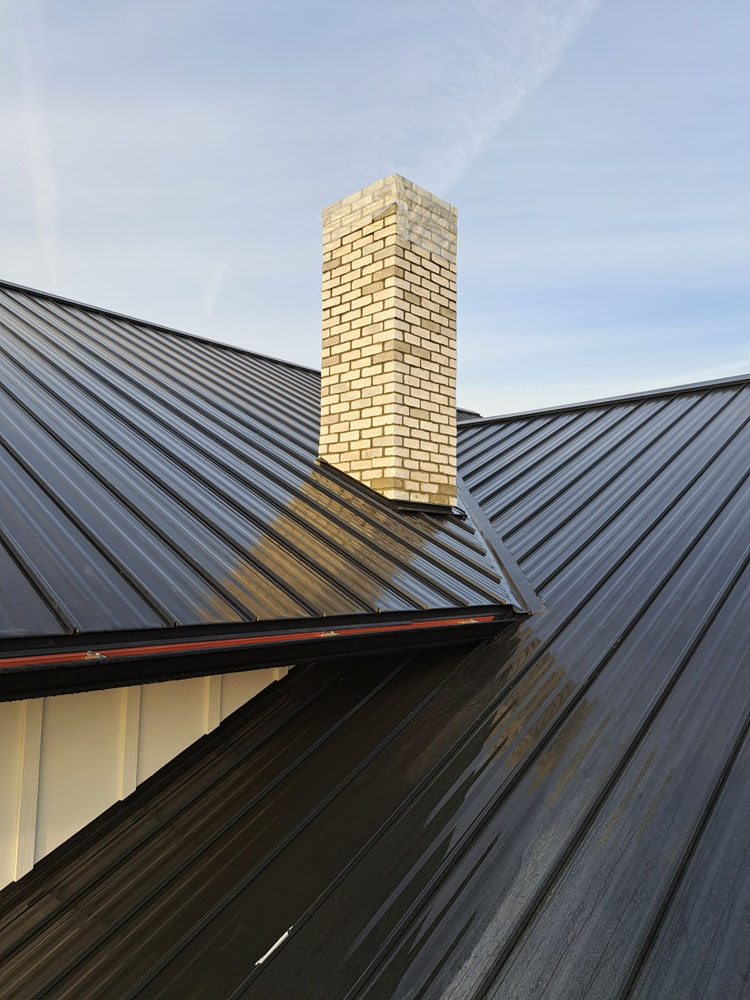
Chimneys are pivotal elements in many brick structures but often require specialized attention during preservation work. Localized chimney masonry repair ensures that we maintain both functionality and aesthetics without sacrificing sustainability.
Why Focus on Chimney Masonry Repair?
Functionality: A well-maintained chimney ensures proper ventilation for heating systems. Aesthetic Appeal: Chimneys are prominent features; their condition significantly affects a building's overall look. Safety Concerns: Crumbling chimneys can pose hazards if not repaired promptly.Common Methods for Chimney Masonry Repair
- Repointing: This involves removing deteriorating mortar from joints and replacing it with new mortar that matches the original material composition. Brick Replacement: Damaged bricks may need replacing; salvageable bricks should be reused when possible. Flashing Repair: Proper flashing prevents water intrusion at chimney bases.
Case Studies of Successful Eco-Friendly Restorations in West Linn
To inspire future restorations in West Linn, let's explore some successful case studies where eco-friendly approaches were effectively employed:
1. The Historic McLoughlin House
This landmark faced severe moisture issues due to its aging brick exterior. By implementing advanced repointing techniques using lime-based mortars—a sustainable alternative—the team preserved its integrity without introducing harmful chemicals.
2. The Old West Linn Post Office
The renovation project focused heavily on restoring original brickwork while enhancing energy efficiency through insulation upgrades made with recycled materials.
3. Local Schools’ Restoration Project
Several schools underwent renovations where traditional roofing was replaced with solar tiles blended seamlessly into existing structures—providing an eco-conscious upgrade while retaining historical charm.
Innovative Technologies Supporting Restoration Efforts
Modern technology plays an integral role in enhancing restoration outcomes while adhering to eco-friendly principles:
Thermal Imaging
Utilized for locating moisture problems within walls without invasive procedures—this tech minimizes damage during assessments.
Green Sealants
These sealants protect against moisture intrusion without introducing harmful solvents into the environment—ideal for maintaining structural integrity over time!
FAQs About Eco-Friendly Approaches
What Are Eco-Friendly Materials?- Eco-friendly materials include reclaimed wood/brick/stone products sourced locally to minimize transportation impacts!
- Yes! Many modern techniques enhance energy efficiency while respecting historical designs—just consult experts familiar with local codes/regulations!
- Look for contractors experienced specifically in historic preservation/restoration—ask about their portfolio & previous project outcomes!
- Repointing refers specifically to removing old/deteriorated mortar from joints & replacing it—a key process ensuring longevity/stability!
- Yes! Various state/local programs offer grants or tax credits aimed at incentivizing preservation work—check municipal websites for details!
- Regular inspections coupled with proactive maintenance (like cleaning gutters) help keep your structure looking fantastic long-term!
Conclusion
With every passing year, West Linn’s aging brick structures tell stories etched into their very fabric—a beautiful tapestry woven through time! By employing eco-friendly approaches such as sustainable materials selection alongside effective chimney masonry repair practices throughout cities like McMinnville/Tualatin/Sherwood/Beaverton/WL itself—we preserve those stories for generations yet unborn!
Embracing innovation while honoring tradition isn’t just smart—it’s essential! Let us champion these endeavors together so future residents may continue admiring our beloved heritage—all while safeguarding Mother Earth along the way!